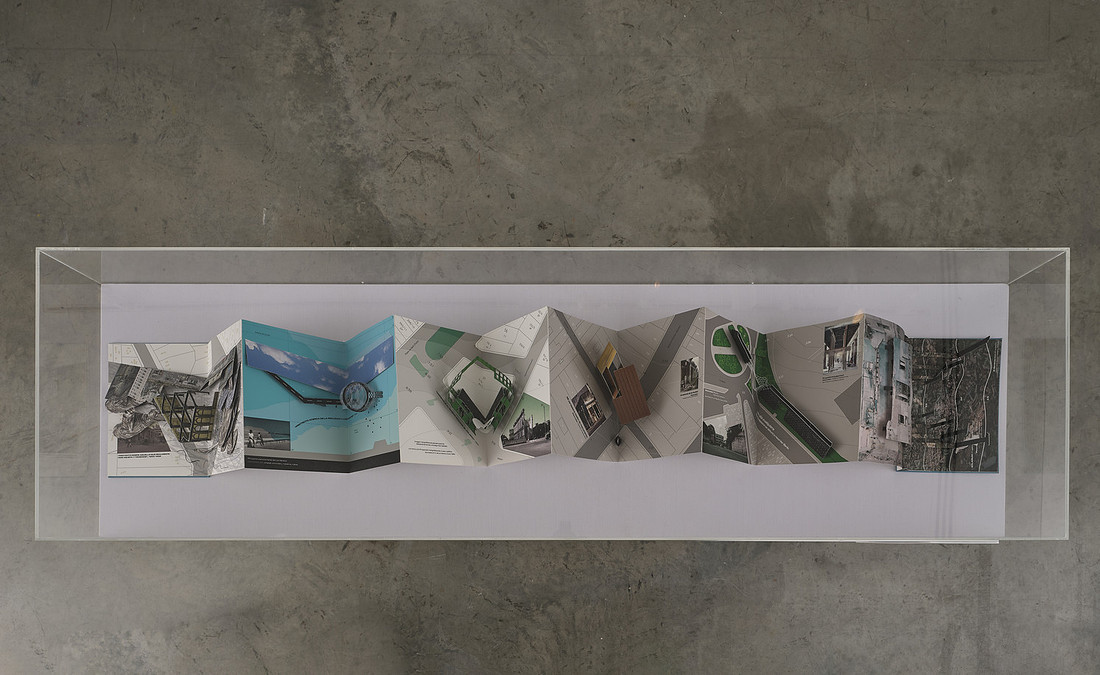
The Great Edible Lawn, Central Park, New York
1997
Nils Norman
Born 1966, Kent, England; lives and works in Amsterdam, the Netherlands, and Munich, Germany
Object details
- Medium
Paper, wood, foam, and paint with digital print on paper
- Dimensions
Installation dimensions variable
- Credit
Gift of Nancy Portnoy
- Object Number
2016.3.6
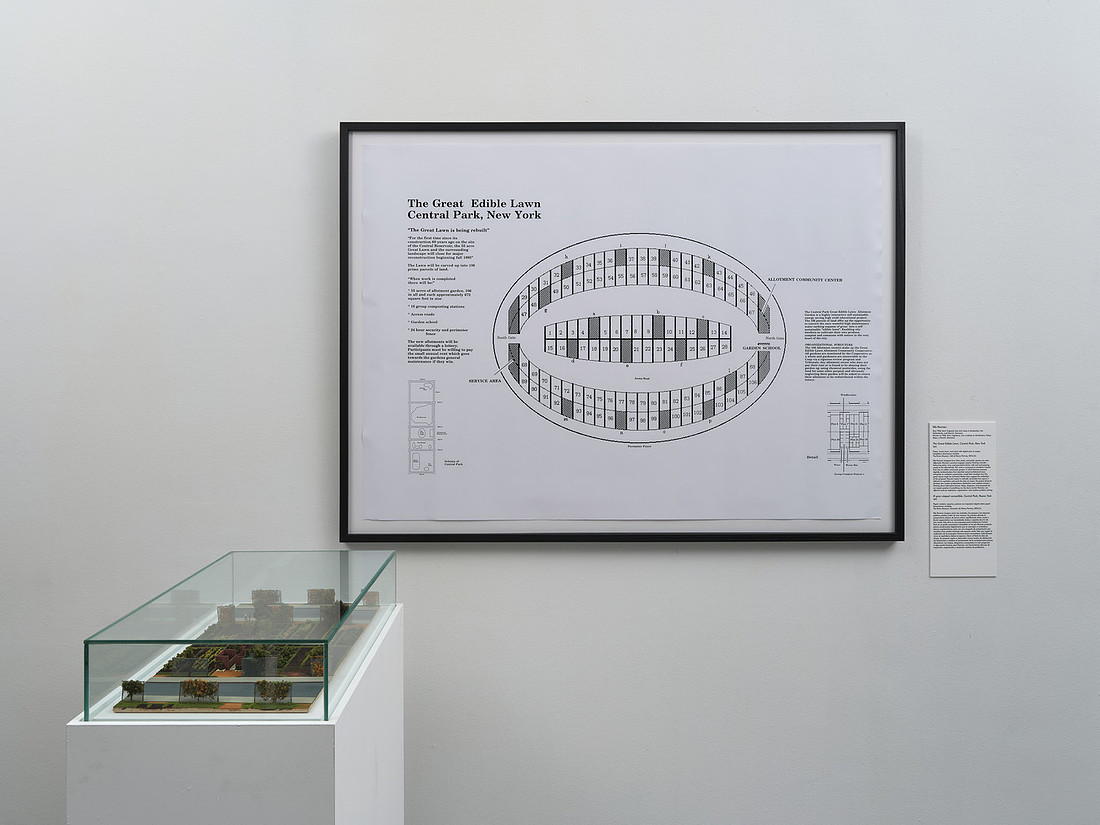
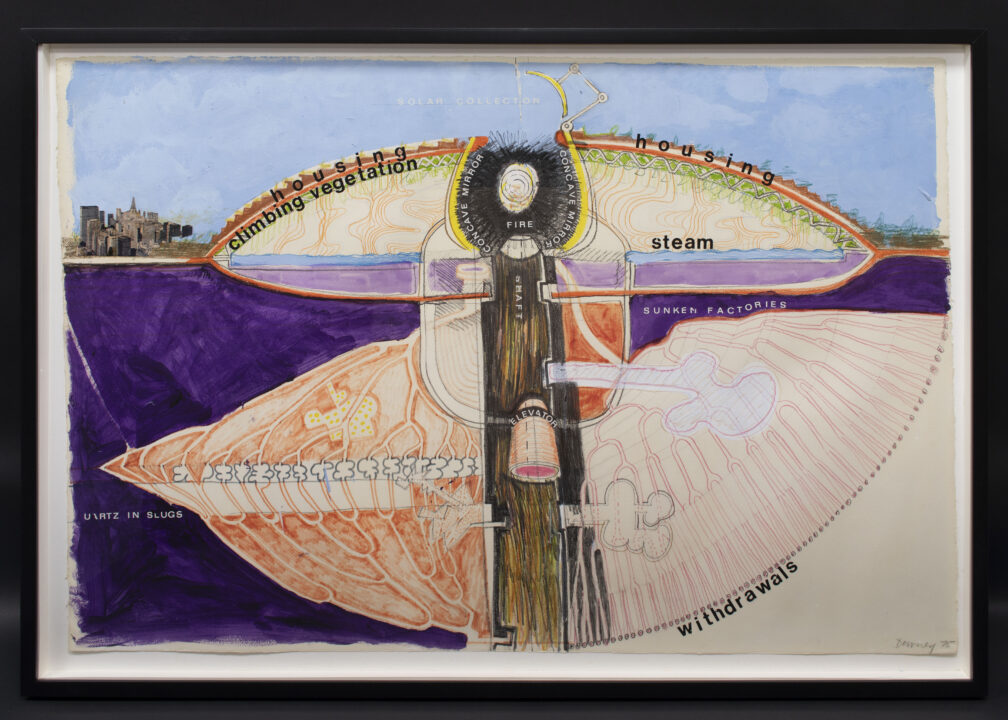
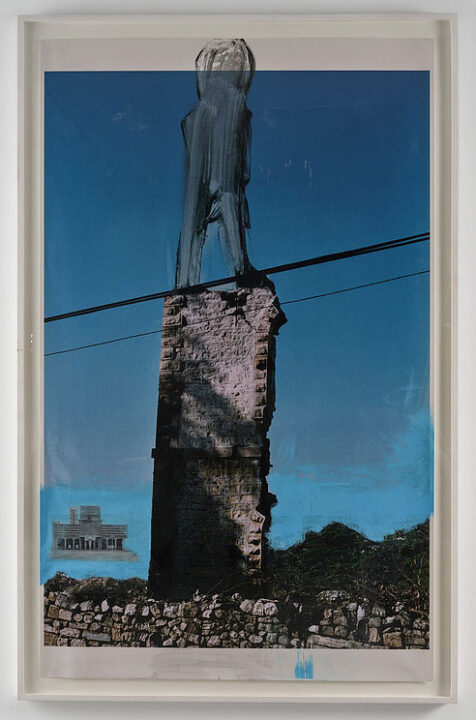
Nils Norman imagines how cities, parks, and public spaces can exist differently. Norman’s practice engages utopian thinking critically—balancing satire, irony, and speculative fiction with real and pressing needs to live alternatively. This work is a proposal to transform Central Park into an edible community garden, in which Norman presents digitally rendered plans that resemble actual architectural ones, alongside an authentic presentation model that visualizes how this green space might be activated. Rather than suggest the realization of the proposal, Norman hopes to radically reconsider how space is defined by capitalism and push the idea of utopia. His project strives to develop new modes of information distribution and catalyze society’s thinking about alternative futures. Maps, diagrams, and proposals do not simply question if something can be done, but for Norman, are effective tools for inspiration, organization, and creative problem solving.
Español
Nils Norman imagina cómo las ciudades, los parques y los espacios públicos podrían existir de otra manera. Su práctica aborda el pensamiento utópico de forma crítica, equilibrando sátira, ironía y ficción especulativa con necesidades reales y urgentes de vivir de otro modo. Esta obra es una propuesta para transformar Central Park en un jardín comunitario comestible, en la que Norman presenta planos renderizados digitalmente que se asemejan a verdaderos planos arquitectónicos, junto con una maqueta de presentación que visualiza cómo podría activarse este espacio verde. Más que sugerir la realización de la propuesta, Norman busca reconsiderar radicalmente cómo el capitalismo define el espacio y llevar al límite la idea de utopía. Su proyecto aspira a desarrollar nuevos modos de distribución de información y catalizar el pensamiento de la sociedad sobre futuros alternativos. Los mapas, diagramas y propuestas no solo preguntan si algo puede hacerse; para Norman, son herramientas eficaces de inspiración, organización y resolución creativa de problemas.